

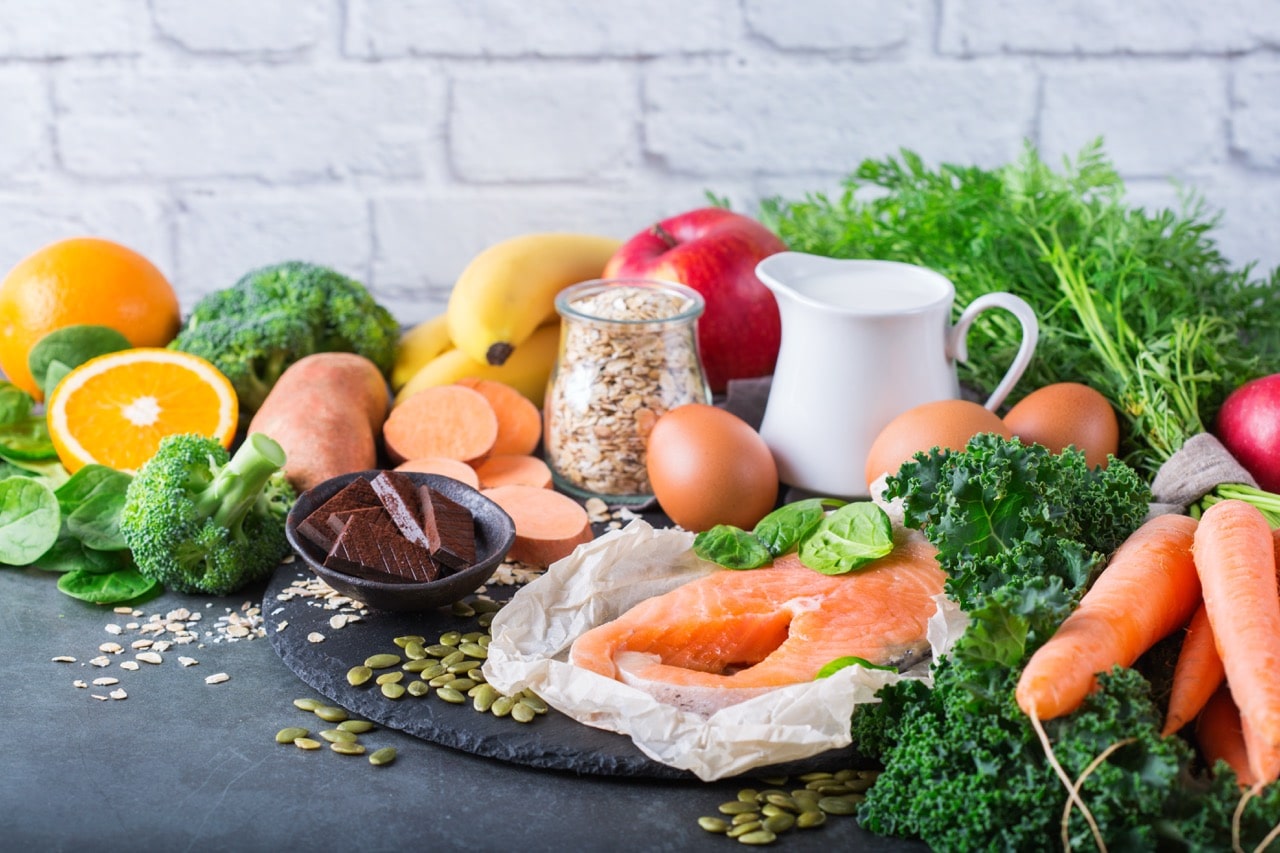
Nutrition color guide
Eat the Rainbow: A Color Guide for Better Everyday Nutrition
Eating the rainbow is not a slogan. It is an easy way to diversify the nutrients and plant compounds on your plate.
The color reset
1
Add one color
2
Rotate the week
3
Make it visible
Use this as a practical reset, not a perfection project. The win is a better next step you can repeat.
Overview
Colorful fruits and vegetables bring different phytonutrients to the table. A color-first approach makes better nutrition easier to see and easier to repeat.
Benefits of Eating the Rainbow
Health professionals often advise you to “eat the rainbow,” which emphasizes the importance of eating a variety of fruits and vegetables. You probably know that you should eat colorful fruits and vegetables, but you may wonder why it’s so important and if doing so truly benefits your health.Eating the Rainbow
Simply put, eating the rainbow involves including fruits and vegetables of different colors in your diet every day. Plants contain different pigments, or phytonutrients, which give them their color. Different-colored plants are linked to higher levels of specific nutrients and health benefits.While eating more vegetables and fruit is always a good idea, focusing on eating a variety of colors will increase your intake of different nutrients to benefit various areas of your health.
Red / Fruits and Veggies
Main phytonutrients: lycopene (from the vitamin A family)
- Tomatoes
- Tomato paste
- Tomato sauce
- Watermelon
- Pink guava
- Grapefruit
Orange and Yellow
Main phytonutrients: carotenoids (e.g., beta carotene, alpha carotene, beta cryptoxanthin), which belong to the vitamin A family
- Carrots
- Sweet Potatoes
- Yellow peppers
- Bananas
- Pineapple
- Tangerines
- Pumpkin
- Winter Squash
- Corn
Green
Main phytonutrients: leafy greens — chlorophyll and carotenoids; cruciferous greens (e.g., broccoli, cabbage)— insoles, isothiocyanate, glucosinolates
- Spinach
- Kale
- Broccoli
- Avocados
- Asparagus
- Green cabbage
- Brussels sprouts
- Green herbs
Blue and Purple
Useful reset points
Why color
Different colors often mean different nutrients
Red, orange, yellow, green, blue, purple, and white foods can each contribute different plant compounds and micronutrients.
Make it easy
Color works best when it is visible
Put produce where you can see it, prep a few options ahead, and add color to meals you already eat.
Consistency
You do not need a perfect plate
Start by adding one extra color per day. Over time, rotate more variety into the week.
- Main phytonutrients: anthocyanin
- Blueberries
- Blackberries
- Concord grapes
- Red/purple cabbage
- Eggplant
- Plums
- Elderberries
Dark Red
- Main phytonutrients: betalains
- Beets
- Prickly pears
White and Brown
- Main phytonutrients: anthoxanthins (flavonols, flavones), allicin
- Cauliflower
- Garlic
- Leeks
- Onions
- Mushrooms
- Daikon radish
- Parsnips
- White potatoes
Life Priority products are not intended to diagnose, treat, or cure any medical condition. Information is provided for educational purposes only. Rev 6/12
Life Priority Inc. 11184 Antioch Rd. #417 Overland Park, KS 66210433
913.438.5433 800.787.5438 www.lifepriority.com
Practical takeaways
Ways to apply it
Add
- Berries
- Leafy greens
- Tomatoes
- Carrots
Prep
- Wash ahead
- Visible bowl
- Simple sides
- Frozen options
Support
- Omega-3
- Vitamin D
- Daily basics
- Hydration
Helpful support options
Match support to the real goal
Heart and brain support
Omega-3 Priority can be a daily anchor for cardiovascular and cognitive wellness routines.
View Omega-3Sunshine support
Vitamin D-3 Priority supports routines focused on bones, immunity, muscles, and healthy aging.
View Vitamin DFind the right fit
Browse Life Priority formulas by goal when you want support matched to your current routine.
Shop formulasDaily immune support
Lifeshield can be part of a daily wellness routine when immune resilience is the priority.
View LifeshieldCommon questions
Does color replace other nutrition basics?
No. It is a simple way to improve variety alongside protein, healthy fats, fiber, and hydration.
Are frozen fruits and vegetables useful?
Yes. Frozen options can make color easier, especially when fresh produce is inconvenient.
Next step
Build a routine around your actual priority
The supplement quiz can help turn a broad wellness goal into a more focused routine.