

Nutrition article
Healthy Recipe: Vegan Stuffed Butternut Squash
Nutrition changes are easier to keep when your kitchen, meals, and supplement routine point toward the same goal.
The nutrition reset
1
Simplify defaults
2
Add color
3
Support the goal
Use this as a practical reset, not a perfection project. The win is a better next step you can repeat.
Overview
Use this article as a practical way to think through your next wellness step. The goal is not a complicated routine; it is a clearer one you can return to consistently.
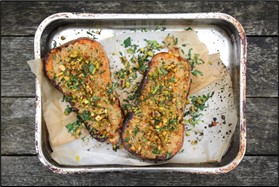
This impressive autumn-inspired dish can be served as a main course for vegan and vegetarian eaters or can be enjoyed by everyone at the table as a side dish. The small amount of curry powder gives the squash a nice warmth and depth. From the Food Network.
Ingredients
- 2 medium butternut squash (2 to 2¼ pounds each)
- 3 tablespoons apple cider vinegar
- 2 tablespoons pure maple syrup
- 4 tablespoons olive oil
- Kosher salt and freshly ground black pepper
- 1 small onion, chopped
- ½ cup wild rice
- ½ teaspoon mild curry powder
- ½ teaspoon ground cinnamon
- ¼ teaspoon cayenne pepper
- 3 tablespoons dried unsweetened cherries
- 1 cup loosely packed fresh parsley leaves, chopped, plus more for garnish
- 1 tablespoon chopped fresh sage
- ¼ cup walnuts, coarsely chopped
Useful reset points
Notice
Start with the pattern you can actually see
Energy, sleep, digestion, mood, movement, and recovery all leave clues. Paying attention to the pattern makes the next step more useful.
Simplify
A smaller routine is easier to keep
Choose one or two habits that fit your real week. Food quality, hydration, movement, sleep, and stress recovery usually matter before complexity.
Support
Match supplements to a specific priority
A focused supplement routine works best when it supports a clear goal and sits alongside the basics you already repeat.
Directions
- Position an oven rack in the middle of the oven and preheat to 400 degrees F.
- Cut each squash in half lengthwise and scoop out and discard the seeds. Arrange the halves in a large baking dish, flesh-side up.
- Whisk together the vinegar, maple syrup and 2 tablespoons oil. Brush the flesh-side of the squash halves with some of the maple-oil and sprinkle with ¼ teaspoon salt and a few grinds of pepper. Put the squash flesh-side down in the baking dish, then brush the skin side with the maple-oil mixture and sprinkle with ¼ teaspoon salt and a few grinds of pepper. Roast until the squash is fork-tender, 30 to 40 minutes. Let the squash rest until cool enough to handle. Scoop some of the flesh out into a large bowl, leaving about ¼-inch border of flesh all around. Leave the scooped-out flesh in relatively large chunks.
- Meanwhile, heat 1 tablespoon oil in a medium saucepan over medium-high heat, then add the onions and cook, stirring occasionally, until soft and golden brown, about 6 minutes. Add the rice, curry powder, cinnamon, cayenne and ½ teaspoon salt and stir until the spices are toasted, about 1 minute. Add 2 cups water and bring to a simmer covered, stirring occasionally, until the rice is tender and most of the liquid is absorbed, 30 to 40 minutes (different brands of wild rice may vary in cooking times; add more water if needed). Remove from heat and add to the chunks of butternut squash along with the remaining maple-oil, cherries, parsley, sage, ½ teaspoon salt and a few grinds of black pepper.
- Evenly stuff the scooped-out squash halves with the filling, then drizzle with the remaining 1 tablespoon oil and bake, uncovered, until the filling is warmed through, about 30 minutes. Cut each in half crosswise and transfer to a serving platter. Sprinkle with walnuts and parsley. Serve warm.
Practical takeaways
Ways to apply it
Add
- Color
- Protein
- Fiber
- Healthy fats
Reduce
- Stale foods
- Sugary defaults
- Impulse snacks
- Friction
Support
- Clear goal
- Meal rhythm
- Hydration
- Consistency
Helpful support options
Match support to the real goal
Heart and brain support
Omega-3 Priority can be a daily anchor for cardiovascular and cognitive wellness routines.
View Omega-3Sunshine support
Vitamin D-3 Priority supports routines focused on bones, immunity, muscles, and healthy aging.
View Vitamin DRecovery rhythm
Magnesium Priority fits routines focused on muscles, stress recovery, and evening consistency.
View MagnesiumFind the right fit
Browse Life Priority formulas by goal when you want support matched to your current routine.
Shop formulasCommon questions
Where should I start?
Start with one clear priority, then choose the food, movement, sleep, hydration, or supplement step that best supports it.
Do supplements replace the basics?
No. Supplements are best used as support for a broader routine that includes food, movement, recovery, and professional guidance when needed.
Next step
Build a routine around your actual priority
The supplement quiz can help turn a broad wellness goal into a more focused routine.